

The Complete Guide to Hiking in Slovenia: Trails, Tips, and Essential Planning
Introduction
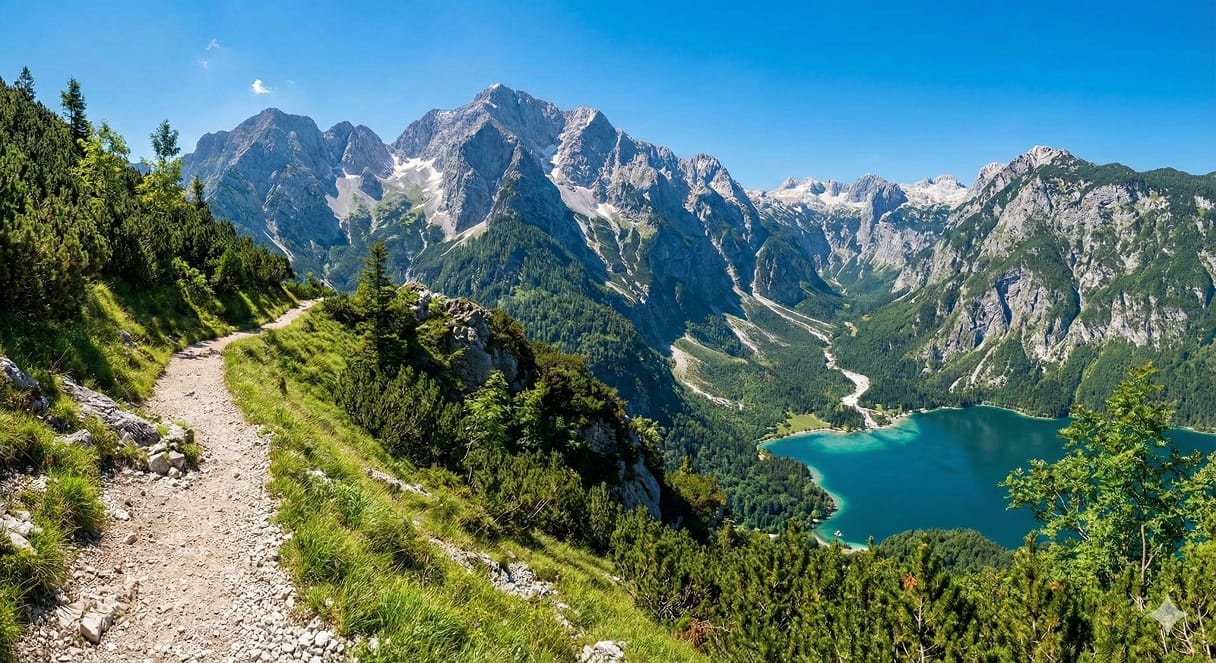
Slovenia, a hidden gem nestled in Central Europe, offers some of the continent’s most spectacular hiking opportunities without the overwhelming crowds found in other Alpine destinations. From the jagged peaks of the Julian Alps to the lush valleys of the Kamnik-Savinja range, this small nation packs extraordinary natural diversity into just 20,273 square kilometers. Whether you’re a seasoned mountaineer seeking technical challenges or a leisure hiker craving scenic beauty, Slovenia’s 108 mountain huts, well-marked trail network, and compact geography make it an ideal destination for multi-day treks and day excursions alike.
Why Slovenia for Hiking?
Compact Geography with Maximum Diversity
Slovenia’s remarkable feature lies in its accessibility. Three distinct Alpine zones—the Julian Alps, Kamnik-Savinja Alps, and Karavanke Alps—can be explored from a single base camp. The country’s small size means fewer hours driving between trailheads compared to larger Alpine nations, allowing you to maximize hiking time. This accessibility is particularly valuable for those with limited vacation time who want maximum mountain immersion.
Authentic Mountain Hut Culture
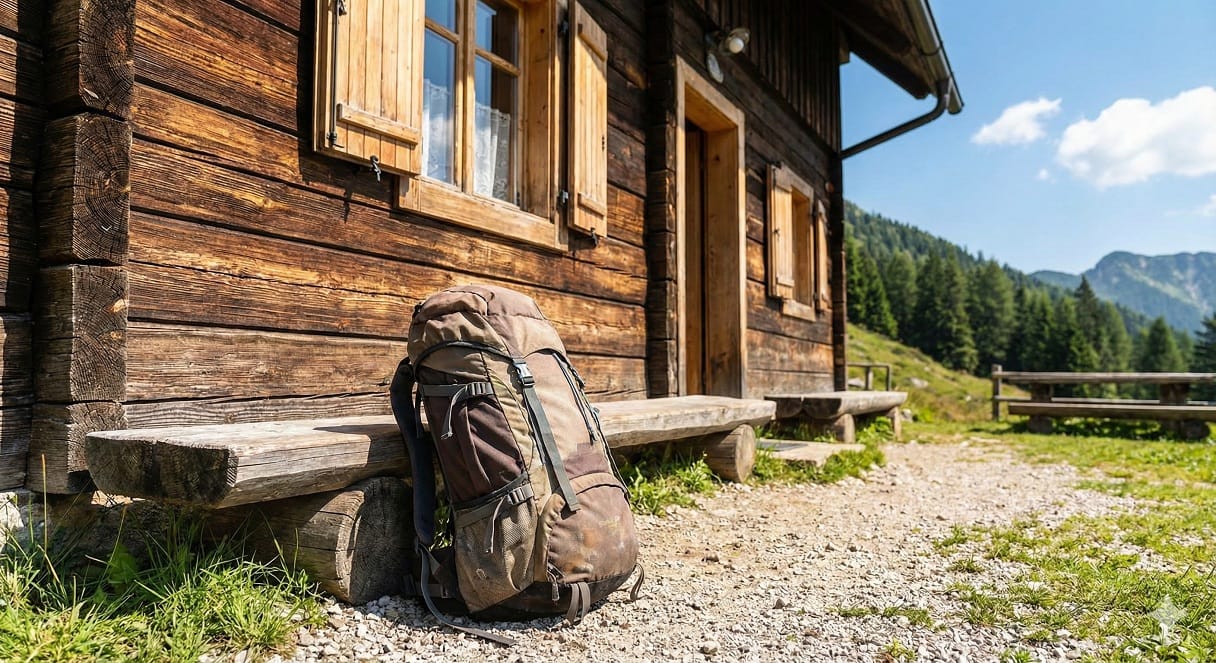
The Slovenian Mountain Association manages 161 mountain lodges that welcome over 1.5 million visitors annually. These huts, many dating back to the 19th century, provide more than just shelter—they offer authentic cultural experiences with traditional cuisine, warm hospitality, and a genuine sense of community. Unlike commercial hotels, hut stays connect you directly with mountain culture and other hikers from around the world.
Superior Trail Infrastructure
The country’s standardized Knafelč waymarking system ensures consistent, high-quality trail maintenance. Trails are classified into three difficulty tiers: easy (no hands required), difficult (some scrambling with fixed cables), and very difficult (requires climbing harness and technical skills). This clear classification system helps hikers choose appropriate routes and manage expectations effectively.
Wild Camping Prohibited (A Benefit for Preservation)
While some might initially view Slovenia’s strict prohibition on wild camping as limiting, it has successfully preserved the environment. This policy, strictly enforced in Triglav National Park, ensures that Alpine ecosystems remain protected while directing hikers toward sustainable accommodation options. The consequence is pristine wilderness and well-maintained trail infrastructure.
The Three Alpine Zones
Julian Alps: The Crown Jewel
The Julian Alps dominate northwestern Slovenia and contain the nation’s highest peaks, including Mount Triglav (2,864 meters). This range features the most dramatic limestone formations, numerous glacial lakes, and the park’s most challenging technical routes. The Julian Alps are home to 53 mountain huts—the highest concentration in the country—making multi-day trekking particularly accessible.
Notable destinations:
- Mount Triglav and the dramatic Krma Valley
- Triglav Lakes Valley (Seven Lakes)
- Lake Bohinj and surrounding peaks
- Soča River Valley with its turquoise waters
Kamnik-Savinja Alps: The Gentle Giants
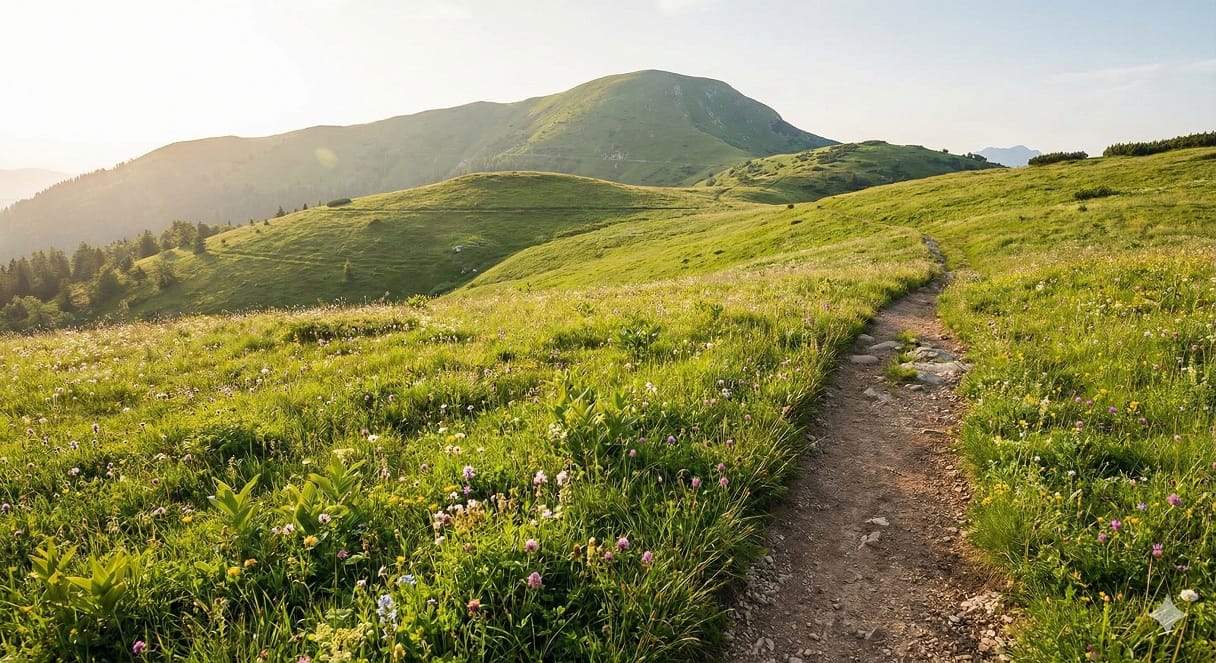
Located in central Slovenia, the Kamnik-Savinja Alps offer a different Alpine experience. These mountains feature rolling meadows, forested slopes, and less exposure than their Julian counterparts. The range’s highest peak, Mount Grintovec (2,558 meters), attracts fewer crowds than Triglav while offering equally rewarding views. With 37 mountain huts, this region suits hikers seeking Alpine scenery with less technical difficulty.
Notable destinations:
- Velika Planina (Europe’s largest Alpine meadow with traditional shepherds’ huts)
- Logar Valley (picturesque glacial valley)
- Kamnik Saddle hiking route
Karavanke Alps: The Austrian Border Range
These mountains form Slovenia’s northern border with Austria and offer spectacular ridge walks with panoramic views of both countries. With 18 mountain huts, the Karavanke are less crowded than the Julian Alps while providing excellent day-hike options and ridge-line multi-day treks.
Notable destinations:
- Mount Stol (highest Karavanke peak)
- Mount Golica (famous for daffodil meadows in May/June)
- Various ridge walks with international views
Essential Hiking Trails by Experience Level
Beginner-Friendly Routes
Triglav Lakes Valley (Seven Lakes) from Planina Blato
- Distance: 15-25 km roundtrip (depending on route variations)
- Duration: 7-8 hours
- Difficulty: Easy to Moderate
- Highlights: Emerald glacial lakes, alpine pastures, dramatic mountain backdrops
This trail represents the accessible approach to one of Slovenia’s most iconic destinations. Starting from Planina Blato (1,147 meters), the path initially ascends through alpine meadows before reaching pristine glacial lakes. The easier Blato approach gains only 400 meters of elevation to the first mountain pasture, making it manageable for reasonably fit hikers without technical climbing experience.
Logar Valley Trail (Kamnik-Savinja Alps)
- Distance: 12-15 km
- Duration: 4-5 hours
- Difficulty: Easy
- Highlights: Lush glacial valley, waterfalls, traditional villages
This gently rolling trail follows a stunning glacial valley surrounded by soaring cliff faces. Perfect for those acclimatizing to altitude or seeking a non-strenuous day, the Logar Valley showcases Slovenia’s softer side while remaining deeply rewarding.
Velika Planina Circuit
- Distance: 8-12 km
- Duration: 4-6 hours
- Difficulty: Easy to Moderate
- Highlights: Europe’s largest Alpine meadow, traditional shepherds’ huts, panoramic views
Velika Planina offers a unique cultural hiking experience. The trail traverses Slovenia’s most expansive Alpine meadow while passing traditional wooden shepherds’ huts (planinski domovi) that have occupied this landscape for centuries.
Intermediate Challenges
Mount Vogel (Lake Bohinj)
- Distance: 8 km roundtrip
- Duration: 5-6 hours
- Difficulty: Moderate
- Highlights: 360-degree views above Lake Bohinj, highest hiking-accessible peak from the lake
This popular intermediate route offers some scrambling and significant elevation gain (650 meters) but rewards climbers with unobstructed views of the entire Bohinj valley and surrounding Julian Alps.
Mount Viševnik
- Distance: 10 km roundtrip
- Duration: 6-7 hours
- Difficulty: Moderate
- Highlights: Easiest accessible 2,000-meter peak, dramatic Alpine views
Viševnik provides the psychological milestone of summitting a 2,000-meter peak while remaining technically straightforward. The ascent involves steady climbing through forest transitions into Alpine terrain, but no scrambling is required.
Krn Lakes Circuit
- Distance: 14-16 km
- Duration: 6-7 hours
- Difficulty: Moderate
- Highlights: WWI historical sites, beautiful mountain lakes, dramatic cirque formations
This route combines natural beauty with historical significance, passing remnants of World War I military structures while ascending to pristine glacial lakes surrounded by impressive cirque formations.
Advanced Mountaineering Routes
Mount Triglav Summit Climb (Krma Valley Approach)
- Distance: 11 km one-way
- Duration: 2-3 days
- Difficulty: Difficult to Very Difficult
- Highlights: Slovenia’s highest peak, technical via ferrata sections, exposed ridge walks
Mount Triglav’s ascent combines hiking, scrambling, and via ferrata climbing on its final approach. While not technically extreme, the route demands good fitness, climbing confidence, and comfort with exposure. Multiple route options vary in difficulty—the Krma Valley approach is less technical than the dramatic Bamberg route via Luknja.
Triglav National Park Hut-to-Hut Traverse
- Distance: 45+ km
- Duration: 3-4 days
- Difficulty: Difficult
- Route: Vršič Pass → Kriških podih → Luknja → Seven Lakes Valley → Lake Bohinj
- Highlights: High Alpine plateau hiking, dramatic peaks, traditional hut culture
This epic multi-day traverse represents one of Europe’s premier high-mountain experiences. The route ascends dramatically from Vršič Pass across exposed limestone slabs, scrambles up semi-vertical secured sections to Bovški Gamsovec, and continues through the spectacular Seven Lakes Valley. Each day includes 6-8 hours of challenging hiking through Alpine terrain with significant exposure.
Juliana Trail (Complete Circuit)
- Distance: 270 km (with optional 60 km extensions)
- Duration: 12-16 days
- Difficulty: Moderate to Difficult
- Route: Circumnavigates the Julian Alps
- Stages: 16 stages of 18-25 km each (4-5 hours daily)
The Juliana Trail offers a complete Alpine circumnavigation with different philosophy than peak-baggers prefer. Rather than summitting the highest points, the trail stays at mid-elevations, passing through foothills and valleys that showcase the Alps’ complete character—from meadows to forests to dramatic cliffs.
Slovene Mountain Trail
- Distance: 617 km
- Duration: 30+ days
- Difficulty: Varies by section
- Route: Maribor → Pohorje Hills → Kamnik-Savinja Alps → Karavanke → Julian Alps → Karst → Adriatic Coast
- Significance: Slovenia’s national long-distance hiking route
This epic trail represents the ultimate Slovenian hiking challenge. Beginning in Maribor and concluding at the Adriatic, it traverses all three Alpine zones while showcasing the country’s complete geography—from forested lowlands through high-Alpine regions to Mediterranean coastlines.
Seasonal Hiking Considerations
Summer (June-August): Peak Season
Advantages:
- All high-altitude trails accessible
- Longest daylight hours (sunset near 9 PM in July)
- Mountain huts fully operational
- Stable weather patterns (though afternoon thunderstorms common)
- Swimming opportunities in Alpine lakes and rivers
Considerations:
- Most crowded period on popular trails
- Higher accommodation prices and mandatory reservations
- Afternoon thunderstorms frequent at higher elevations
- July and August can reach hot temperatures in lower elevations
Ideal For: High-altitude treks, Triglav ascents, Juliana Trail, technical via ferrata routes
Late Spring (May-June): Spring Awakening
Advantages:
- Alpine flowers blooming (Golica daffodils spectacular in May-June)
- Fewer crowds than peak summer
- Comfortable temperatures for hiking
- Days lengthening dramatically
- Mountain huts reopening for season
Considerations:
- Snow still covers peaks above 2,000 meters (expect 4 days average snow in May)
- Crampons and ice axes still required for high peaks
- Some mountain huts may not yet be fully operational
- Rivers swollen with snowmelt
Ideal For: Intermediate elevation hikes, flower photography, hut-to-hut treks in lower ranges
Autumn (September-October): Golden Season
Advantages:
- Larch trees turning golden (spectacular in late September-early October)
- Clearer visibility and more stable weather than spring
- Still warm but cooler than summer
- Fewer crowds than peak season
- Evening temperatures perfect for sleeping outdoors in huts
Considerations:
- First snowfall can arrive by late October at high elevations
- Shorter daylight hours (sunset by 6:30 PM in October)
- Some mountain huts begin closing by mid-September
- Weather becomes increasingly changeable
Ideal For: Autumn foliage photography, hut-to-hut treks, leisurely day hikes, harvest season wine touring
Winter (December-February): Alpine Specialists Only
Advantages:
- Solitude and pristine snow landscapes
- Ice climbing opportunities
- Unique winter hiking experience
- Fewer other hikers on trails
Considerations:
- Most mountain huts closed (except winter rooms—basic shelters)
- Temperatures regularly fall below freezing
- Deep snow (meters deep at higher elevations)
- Avalanche danger in certain zones
- Requires winter mountaineering skills and specialized equipment
Ideal For: Winter mountaineers only; ice climbing; backcountry skiing; experienced winter hikers
Mountain Hut Culture and Accommodation
The Hut Experience
Staying in Slovenian mountain huts transcends simple accommodation—it’s an immersion into Alpine culture. The Slovenian Mountain Association, founded in 1893, manages the largest hut network relative to mountain area in Europe. These lodges range from Category I (basic shelters with minimal amenities) to Category III (more comfortable facilities with additional services).
What to Expect
Accommodation:
- Dormitory beds (typically 4-8 person rooms with bunk beds)
- Occasional private rooms (rare and advance-booking essential)
- Basic but clean facilities
- Blankets and pillows provided (bring sleep sheet or lightweight liner)
Facilities:
- Toilets present in all huts
- Showers optional with additional fees (typically 5 euros)
- Drinking water varies by location (high-altitude huts rarely have potable water—bring purification)
- Heating present in season
- Electricity limited
Meals and Provisions:
- Hearty, reasonably priced meals (breakfast, lunch, dinner available)
- Traditional Slovenian Alpine cuisine emphasizing local produce
- Non-alcoholic beverages and beer available
- Food supplies reasonable considering remote locations
- Advance notice often required for dinner reservations
Hut Logistics
Spacing and Accessibility:
- Typically 2-3 hours apart on major routes
- Some huts accessible by car or cable car (valley-level accommodation)
- Higher-altitude huts require 1-3 hours hiking approach
- 53 huts in Julian Alps, 37 in Kamnik-Savinja, 18 in Karavanke
Seasonal Considerations:
- High-altitude huts open June-September
- Mid-altitude huts open May-October
- Valley huts (accessible by car) operate year-round
- Winter rooms (basic emergency shelters) available outside season
Booking Essentials:
- Peak season (July-August) requires weeks advance booking
- June, September, and early October still require 1-2 weeks advance notice
- May and late October have more availability
- Contact huts directly or use Slovenian Mountain Association online portal
Hut Categories and What They Offer
Category I Huts (Basic):
- Minimal facilities
- Emergency shelter quality
- Basic food available
- Toilets but no showers
- Most economical option
Category II Huts (Standard):
- Dormitory and few private rooms
- Basic bathroom facilities
- Shower available (additional fee)
- Regular meals and provisions
- Most common category on major routes
Category III Huts (Enhanced):
- Better room options
- More extensive bathroom facilities
- Shower generally included
- More diverse meal options
- Higher comfort and cost
Essential Preparation and Safety
Physical Fitness Requirements
Hike suitability depends on your ability to hike 6-8 hours daily on steep, rocky terrain while carrying a pack. Day hikes emphasize sustained climbing ability; multi-day treks require endurance and recovery capacity.
Fitness Self-Assessment:
- Can you hike 3+ hours uphill continuously?
- Do your knees tolerate steep downhill terrain?
- Can you maintain effort after 5+ hours hiking?
- Have you hiked at altitude before?
Beginning hikers should start with easier routes (Logar Valley, moderate sections of Juliana Trail) before attempting technical peaks or challenging multi-day traverses.
Essential Gear Checklist
Footwear and Lower Body:
- Hiking boots with good ankle support (broken in before trip)
- Quick-drying hiking socks (avoid cotton)
- Gaiters (useful for rocky terrain and muddy sections)
Clothing Layers:
- Moisture-wicking base layer
- Insulating mid-layer (fleece or synthetic—avoid cotton)
- Waterproof shell jacket and pants
- Hat and gloves (essential even July-August at altitude)
Safety Equipment:
- Helmet (required for via ferrata sections, highly recommended for all Alpine climbing)
- Via ferrata set and harness (for technical routes like Triglav)
- Headlamp with spare batteries
- First aid kit (personal supplies, pain relievers, blister treatment, anti-diarrheal medications)
- Emergency bivy sack or large garbage bag for thermal protection
Navigation:
- Waterproof map and compass
- GPS device or smartphone with offline maps downloaded
- Permit/proof of trail access where required
Hydration and Nutrition:
- 2+ liter capacity water storage or hydration system
- Electrolyte powder or tablets for longer days
- High-calorie snacks (nuts, energy bars, dried fruit, chocolate)
- “Iron food” (non-perishable items) for emergencies
Personal Items:
- Sunscreen and lip balm with SPF
- Insect repellent
- Toiletries (biodegradable soap only)
- Medications (personal prescriptions, altitude sickness prevention if relevant)
Safety Principles
Pre-Hike Planning:
- Consult detailed trail descriptions and maps
- Check weather forecasts (conditions change rapidly at altitude)
- Verify hut status and confirm reservations
- Leave detailed itinerary with someone
- Check official trail condition reports at Triglav National Park website
On-Trail Practices:
- Never hike alone (or inform someone of solo plans)
- Start early to maximize daylight
- Respect the 20-meter spacing rule on exposed terrain during thunderstorms
- Turn back if weather deteriorates or you’re behind schedule
- Stay on marked trails (disorientation is the primary cause of rescue operations)
Wildlife Awareness:
- Ibex (wild goats) are curious but harmless
- Brown bears extremely rare but avoid making noise in forest
- Adders (venomous snakes) present in lower elevations—wear boots and gaiters
Altitude Considerations:
- Mild altitude effects possible above 1,800 meters
- Drink extra water and pace yourself
- Descend immediately if experiencing severe headache, nausea, or confusion
Weather Patterns and Preparation
Slovenia’s Alpine climate creates three distinct patterns:
Continental Pattern (Eastern Slovenia)
- Hot, sometimes extreme summers
- Cold winters with substantial snowfall
- Moderate spring and autumn transitions
Mediterranean Pattern (Coastal Regions)
- Mild winters with humid spring
- Long periods of sunshine
- Hot, dry summers
- Generally most stable hiking seasons
Alpine Pattern (Northern/Northwestern Mountains)
- Cool summers with occasional extreme heat in afternoon
- Cold winters with meters of snow
- Substantial rainfall throughout year
- Frequent afternoon thunderstorms June-August
Critical Weather Awareness:
- Afternoon thunderstorms common June-August (typically 6-7 days monthly with serious rainfall)
- Temperatures can approach freezing at night even in summer above 1,600 meters
- Visibility can vanish suddenly in fog, especially in morning hours
- Wind significantly affects perceived temperature and climbing difficulty
- Plan afternoon hikes cautiously—thunderstorms arrive predictably around 2-3 PM
Practical Navigation and Logistics
Getting to Trailheads
From Ljubljana (Primary Airport):
- Kranjska Gora (Julian Alps gateway): 1.5 hours drive
- Lake Bohinj (Triglav National Park): 1.5 hours drive
- Lake Bled (popular base): 1 hour drive
- Logar Valley (Kamnik-Savinja gateway): 1.5 hours drive
Public Transportation:
- Trains connect Ljubljana to Jesenice (near Kranjska Gora)
- Buses serve most Alpine valleys with regular schedules
- Rental cars offer flexibility but not essential with planning
Taxi Services:
- Local taxi services available from towns
- Helicopter transport exists for hut supply but not typical hiker transport
Trail Marking System
The Knafelč marking system ensures consistency across all Slovenian trails:
- Red-white circles or squares mark main trails
- Blue-white marks indicate secondary trails
- Yellow marks denote local paths
- All marks include arrows indicating direction
- Spacing typically 50-100 meters between marks
Navigation tools essential (maps, compass, GPS) because fog can obscure markings and some sections have multiple options.
Best Regions for Different Hiker Types
Peak-Baggers: Julian Alps (Mount Triglav, Kanjavec, Bovški Gamsovec)
Scenic Explorers: Karavanke ridge walks, Logar Valley, Soča River trail
Solitude Seekers: Eastern Kamnik-Savinja Alps, off-season spring/fall
Culture-Immersion: Velika Planina, traditional village stays, wine-region autumn hikes
Technical Climbers: Triglav via ferrata routes, Bamberg route, multi-pitch climbing areas
Environmental Considerations and Leave No Trace
Slovenia’s well-preserved environments result from serious conservation commitment. Hiker responsibility is fundamental to sustaining this wilderness.
Essential Practices:
- Pack out all trash (nothing goes in huts’ waste systems except biodegradables)
- Use only designated trails (cutting switchbacks causes erosion)
- Use only biodegradable soap, even at huts
- Camp only at huts (wild camping is prohibited and fined)
- Keep noise minimal to protect wildlife
- Respect vegetation—don’t pick flowers or plants
- Follow hut rules regarding water conservation and waste
Practical Costs
Mountain Hut Accommodation: 20-40 euros per person per night (including dinner and breakfast)
Meals at Huts: 10-15 euros for lunch, 10-20 euros for dinner (eaten at hut)
Guided Hikes: 50-150 euros per person per day depending on group size and route
Equipment Rental: 10-20 euros per day (if needed)
Transportation: Minimal if driving; regional buses very affordable if using public transport
Conclusion
Slovenia represents Europe’s most accessible Alpine destination while maintaining genuine wilderness character. The combination of outstanding trail infrastructure, authentic mountain hut culture, manageable distances between trailheads, and diverse terrain suitable for all experience levels makes it ideal for both introduction to Alpine hiking and serious mountaineering. Whether pursuing your first 2,000-meter peak, contemplating a multi-day traverse through Europe’s Alps, or simply seeking pristine mountain scenery without overwhelming crowds, Slovenia delivers memorable experiences efficiently packaged into a small nation of extraordinary beauty.
The key to maximizing Slovenian hiking lies in matching the season to your goals, planning hut reservations months in advance during peak periods, respecting the mountain environment, and embracing the authentic Alpine culture that mountain huts offer. From the dramatic limestone summits of the Julian Alps to the gentle meadows of Velika Planina, Slovenia awaits ready to inspire your next Alpine adventure.