Scroll through any feed right now and it’s the same three promises on a loop: cold plunges that “reset your nervous system,” teas that “flush toxins,” and supplement stacks that’ll supposedly buy you an extra decade. Wellness trends move at the speed of a viral clip. Peer-reviewed research crawls. And that mismatch is exactly why so much of what’s popular has almost nothing behind it. So I want to sort through five trends that actually hold up when you poke at the science, and five that mostly fall apart the second you do.
This stuff matters more than it used to, honestly, because wellness has bled into tech, gaming, and entertainment. A lot of people now hear about a “health trend” from a podcast or a streamer they like, not from anyone with a medical degree. Which is fine, until the streamer is also selling the mat.
Table of Contents
- What Makes a Wellness Trend “Backed by Science”?
- 5 Wellness Trends Backed by Science
- 5 Wellness Trends That Aren’t Backed by Science
- How Much Do These Wellness Trends Actually Cost?
- Digital Wellness: Where Tech, Gaming, and Health Trends 2025 Intersect
- How to Evaluate the Next Wellness Trend Before You Buy In
- FAQ: Wellness Trends and Health Trends 2025
What Makes a Wellness Trend “Backed by Science”?
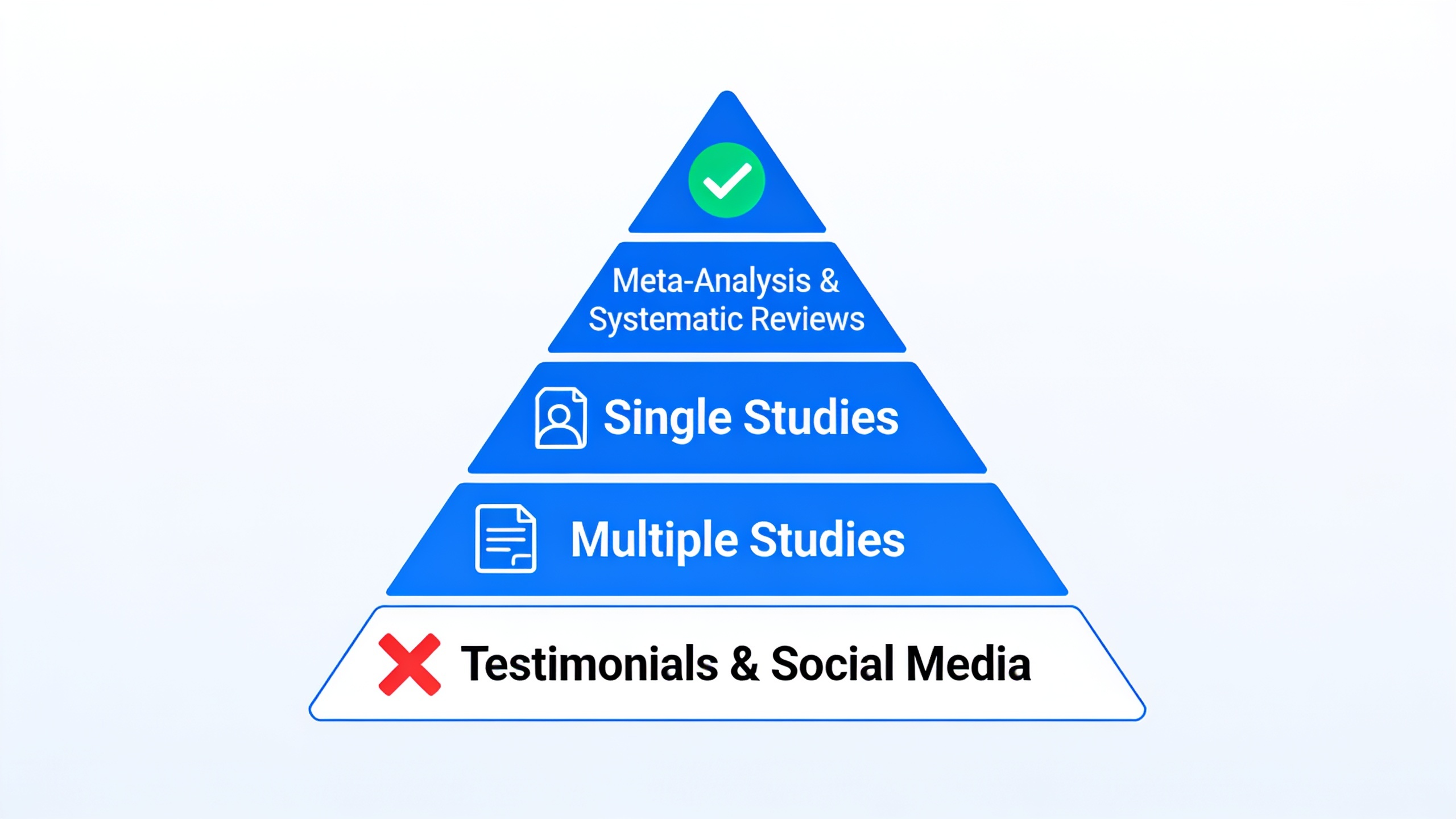
A trend earns the “backed by science” label when several independent, peer-reviewed studies show a consistent, measurable effect. Ideally that means randomized controlled trials or big observational studies, not a handful of testimonials or one tiny study funded by the same company hawking the product. The gold standard is a systematic review or meta-analysis that pools results across a bunch of studies, published somewhere reputable and taken seriously by bodies like the National Institutes of Health (NIH) or the Centers for Disease Control and Prevention (CDC).
The catch with most viral wellness stuff is that it skips all of that. A celebrity plug or a TikTok before-and-after isn’t evidence. It’s an ad with better lighting. Real evidence needs control groups, replication, and some plausible reason it would actually work in the body. Keep that bar in your head and you’ll spot the difference between a legit 2025 health trend and a recycled fad wearing a fresh hashtag.
5 Wellness Trends Backed by Science
These five have real support across multiple studies, and in most cases mainstream health orgs were already quietly recommending them before the internet made them cool.
1. Zone 2 Cardio Training
Zone 2 cardio is low-to-moderate aerobic work done at a pace where you can still talk in full sentences, usually around 60-70% of your max heart rate. Exercise physiologists, including the people studying elite endurance athletes, have pointed to this zone for years as the sweet spot for building mitochondrial density and fat-burning efficiency without wrecking your joints or frying yourself with constant high-intensity days.
Here’s what I like about it: it isn’t even new. It’s decades-old sports science that finally found a mainstream crowd once fitness influencers and wearables gave people a way to see their heart rate in real time. Old idea, new packaging, and this time the packaging is honest.
2. Cold Water Immersion (With Caveats)
Short, controlled cold exposure (think 2-3 minutes at 50-59°F) has been linked to bumps in norepinephrine and activation of brown adipose tissue, according to work from Danish physiologist Susanna Søberg published in Cell Reports Medicine in 2021. That study tracked habitual cold-water swimmers and found real metabolic and mood-related changes tied to regular dips.
But. And this is a big but. Most of the wilder claims floating around, that cold plunges cure inflammation or “detox” you, sail way past what the data actually shows. So this one gets a partial thumbs-up, not a full one. Nice for how it makes you feel. Not a magic reset button.
3. Strength Training for Longevity
Lifting weights two or more times a week is tied to a meaningfully lower risk of dying from any cause, according to a 2022 meta-analysis in the British Journal of Sports Medicine that pulled from multiple population studies. And the CDC’s physical activity guidelines already tell you to do muscle-strengthening work for all the major muscle groups at least twice a week.
So strength training is that rare “trend” that was public health advice long before anyone slapped a wellness label on it. If you do one thing from this entire article, make it this.
4. Mindfulness-Based Stress Reduction (MBSR)
MBSR is a structured eight-week program built by Jon Kabat-Zinn that mixes meditation, body awareness, and breathing to bring down psychological stress. A 2014 meta-analysis in JAMA Internal Medicine, led by Madhav Goyal, reviewed 47 randomized trials and found meditation programs produced moderate improvements in anxiety, depression, and pain versus control groups.
The reason it’s held up for over a decade, while “energy healing” and “manifestation” haven’t, is pretty simple. MBSR has an actual protocol. Something researchers can test, repeat, and pick apart. Vague vibes don’t survive that kind of scrutiny. A defined eight-week program does.
5. Prioritizing Sleep Consistency Over Just Sleep Duration
Keeping a regular sleep and wake time might matter as much as, or more than, hitting some magic number of hours. A 2024 analysis of UK Biobank data published in the journal Sleep found that irregular sleep patterns were linked to a higher risk of mortality even in people who got plenty of total sleep.
That’s a real shift from the old “just get eight hours” gospel, and it lines up with where 2025 wellness circles are heading. Consistency over quantity. Honestly it’s a relief, because chasing an arbitrary number never worked for me anyway.
5 Wellness Trends That Aren’t Backed by Science
These are popular, aggressively marketed, and mostly unsupported. Some are just a waste of money. A couple can actually hurt you.
1. Detox Teas and Juice Cleanses
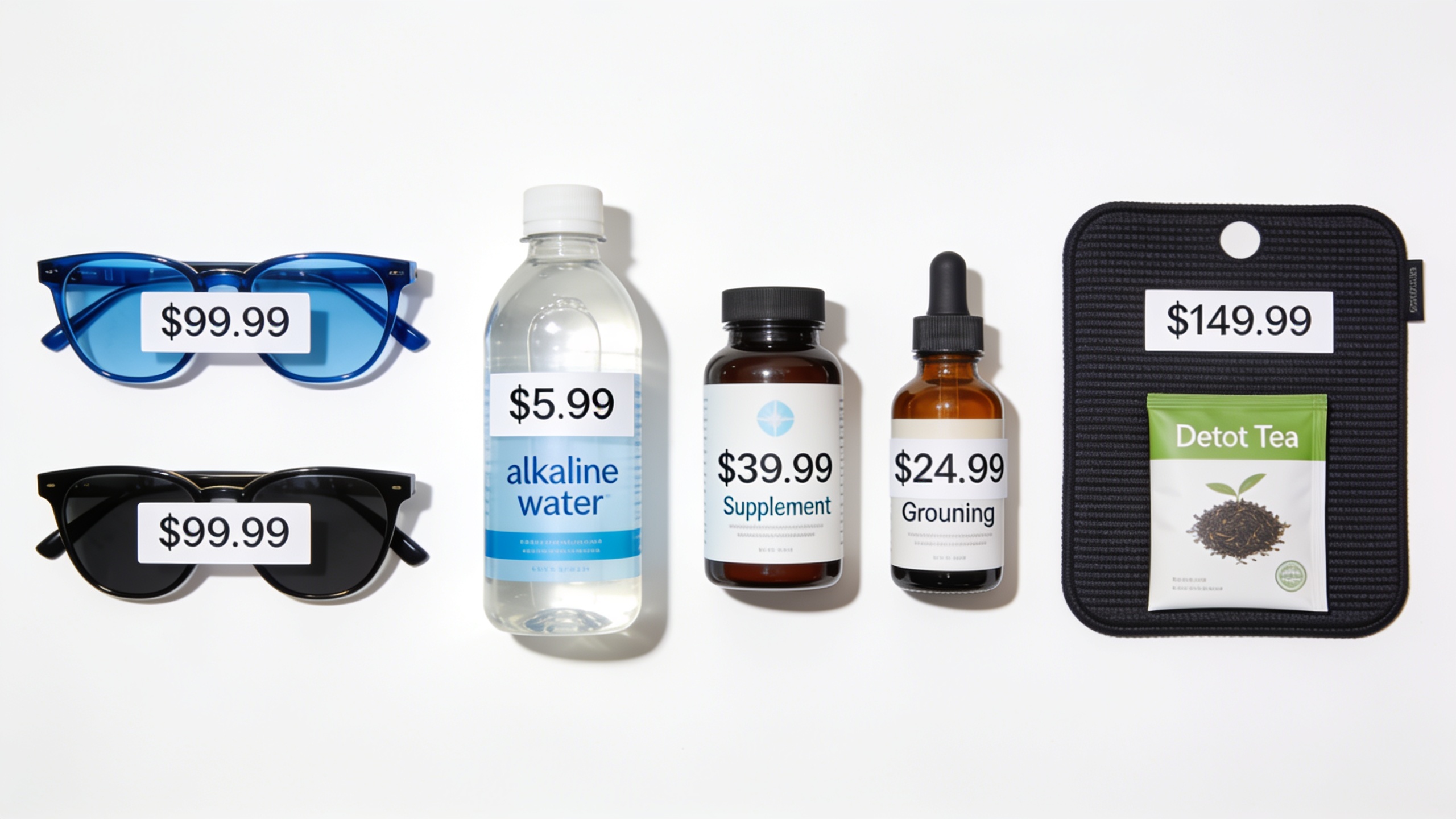
Detox teas and juice cleanses claim to flush toxins out of you, except your liver and kidneys already do that around the clock without any help from a $9 tea. The NIH’s National Center for Complementary and Integrative Health (NCCIH) says flat-out that there’s no evidence detox diets clear toxins any better than your own organs do. And some of these teas are packed with laxatives, which means regular use can leave you dehydrated with your electrolytes out of whack. Not exactly the glow-up they promised.
2. Alkaline Water for “pH Balance”
Alkaline water gets sold as a way to lower your body’s acidity, but your blood pH is locked between 7.35 and 7.45 by your lungs and kidneys no matter what you drink. And your stomach acid neutralizes the alkaline water almost the instant it hits, so the whole premise falls apart in your gut. There’s no accepted mechanism by which drinking it changes blood or tissue pH in a healthy person. Which makes it one of the thinnest health trends out there, sold at some of the fattest markups.
3. Blue-Light-Blocking Glasses for General Sleep Improvement
Blue-light glasses are pitched as the fix for bad sleep from staring at screens all night, but a 2023 Cochrane systematic review found insufficient evidence that blue-light-filtering lenses meaningfully improve sleep quality, eye strain, or visual performance versus normal lenses.
Now, screens absolutely mess with sleep. Doomscrolling in bed is a problem. But the problem is the doomscrolling, not the color of the light, and the glasses aren’t the proven cure the ads want them to be. Put the phone down. Save the fifty bucks.
4. Extreme Supplement Stacking and Megadosing
Choking down giant combinations of vitamins, minerals, and nootropics way past the recommended daily amounts has become a biohacking badge of honor, and it’s a genuinely risky one. The NIH Office of Dietary Supplements warns that blowing past the tolerable upper intake levels for things like vitamin A, vitamin D, and iron can cause toxicity, stress your liver, and interact dangerously with medications.
More is not automatically better. That’s the whole lie at the center of it. And most of these stacks you see online have never been tested in combination at the doses being pushed, so you’re basically the unpaid test subject.
5. Grounding or Earthing Mats
Grounding (or earthing) means walking barefoot on the dirt or plugging into a conductive mat indoors, on the theory that direct contact with the earth’s electrons dials down inflammation and stress. The studies people cite to back it up tend to be small, poorly blinded, and never replicated at any real scale. Which is why no mainstream medical body has adopted it, no matter how nice the marketing photos look.
Look, walking barefoot in grass is lovely. Do it. Just don’t expect a $150 mat to fix your inflammation.
How Much Do These Wellness Trends Actually Cost?
Price tends to give the game away. Here’s a rough look at what each of these runs you per year, stacked against how strong the evidence actually is.
| Wellness Trend | Typical Annual Cost | Evidence Level | Verdict |
|---|---|---|---|
| Zone 2 cardio training | $0 (walking/jogging) to a few hundred dollars for a heart rate monitor | Strong | Backed |
| Strength training (gym membership) | $300-$700+ | Strong | Backed |
| Mindfulness-Based Stress Reduction | $0 (free apps) to $400+ for structured courses | Strong | Backed |
| Cold water immersion (home tub) | $500-$5,000+ for equipment | Moderate | Partially backed |
| Sleep consistency tracking | $0-$300 for a wearable | Growing | Backed |
| Detox teas/juice cleanses | $200-$600+ | Very weak | Not backed |
| Alkaline water systems | $300-$2,000+ for filtration units | Very weak | Not backed |
| Blue-light glasses | $20-$150 | Weak | Not backed |
| Supplement megadose stacks | $500-$2,000+ | Weak/risky | Not backed |
| Grounding mats | $50-$200 | Very weak | Not backed |
Notice the pattern? A bunch of the things that actually work, like Zone 2 cardio and mindfulness, cost nothing or close to it. Meanwhile some of the least-supported stuff carries the heaviest price tags. Almost like the marketing budget has to make up for the missing evidence.
Digital Wellness: Where Tech, Gaming, and Health Trends 2025 Intersect
Digital wellness is about managing how screens, notifications, and never-being-offline mess with your head and your body, and it’s become one of the loudest health conversations of 2025, especially in tech and gaming circles. Gaming sits in a genuinely interesting spot here. Research increasingly treats moderate, social gaming as a legit way to unwind rather than some automatic health hazard, as long as it isn’t eating your sleep, your movement, or your face-to-face time. If you’re trying to build a setup that fits a balanced routine, this breakdown of the PS5 Pro vs Xbox Series X: Which Console Wins in 2025? is worth a read before you decide where your downtime goes.
And here’s a piece nobody puts in the wellness bucket but absolutely should: career stress. Job insecurity and the slog of actually job hunting come up over and over as major sources of chronic stress, the kind that leaks into your sleep, your mood, your whole body. So anything that cuts the friction out of that grind is real stress management, even if it doesn’t come in a wellness-branded box. Tools like JobScans, which use AI to score how well your résumé matches a specific job and tailor applications for you, can wipe out hours of the manual tweaking that makes job searching so miserable. Treating that kind of practical relief as self-care is arguably more evidence-based than half the stuff literally labeled “self-care.”
How to Evaluate the Next Wellness Trend Before You Buy In
Before you jump on any new wellness trend, run it through three questions: has it been tested in a randomized controlled trial, is there a believable biological reason it would work, and does the person recommending it have something to sell you? That filter alone catches most of the junk before it drains your wallet.
Start with the source. Is the claim coming from a peer-reviewed journal or a health agency like the CDC, NIH, or the World Health Organization, or from a brand’s own landing page and a sponsored post? Then look for a mechanism, an actual explanation of how the thing works in the body, not fog like “boosts energy” or “supports detoxification.” And be deeply suspicious of anything promising something dramatic (rapid weight loss, total toxin removal, a wildly extended lifespan) from one product or a quick intervention. Real physiological change is slow and comes from a bunch of factors working together, never a single miracle bottle.
The trends that clear all three checks, resistance training and mindfulness being the obvious ones, tend to be the same ones still getting recommended years later instead of vanishing with the next news cycle.
FAQ: Wellness Trends and Health Trends 2025
What’s the most scientifically supported wellness trend right now?
Strength training, no contest. The CDC recommends muscle-strengthening work at least twice a week, and a 2022 meta-analysis in the British Journal of Sports Medicine ties it to a lower risk of dying from any cause. Strong evidence, low cost, hard to argue with.
Are cold plunges actually good for you, or is it all hype?
A bit of both. Cold water immersion has real, measurable effects on norepinephrine and brown fat activation per peer-reviewed research. But the bigger claims about killing inflammation and “detoxing” go well past what the studies show, so go in with realistic expectations and enjoy it for what it is.
Why do unproven wellness trends spread so fast anyway?
Because they’re easy to market, they hand you a placebo-fueled sense of “it’s working,” and they thrive on social platforms where a jaw-dropping before-and-after clip will always outrun a careful scientific caveat. Nuance doesn’t go viral.
Is intermittent fasting backed by science or just a fad?
Somewhere in the middle. There’s moderate evidence for things like improved insulin sensitivity in certain people, but results swing a lot person to person. I left it off the main list on purpose, since the research is messier than it is for the five above. Keep that in mind if you ever see it sold as universally proven.
How can I tell if a new 2025 health trend is worth trying?
Check whether it’s backed by peer-reviewed research or a recognized health authority, look for a believable explanation of how it actually works, and stay wary of anyone selling you the fix to the exact problem they just scared you about.
Wellness trends will keep multiplying as fast as social media can crank them out, but the science underneath moves at its own stubborn, unhurried pace. Stick with the habits that have survived round after round of testing (movement, strength, consistent sleep, real stress management) and you’ll almost always come out ahead of whatever shiny thing is trending this month. No matter how good the ad looks.